
Remodeling your home doesn’t have to drain your savings. With smart planning, strategic upgrades, and cost-conscious decisions, you can transform your living space without overspending.
Homeowners today are focusing on budget-friendly house remodeling by prioritizing impactful changes, reusing materials, and making informed choices. With the right approach and guidance from experts like Silicon Valley Remodeling, you can improve your home’s functionality, style, and value while staying within budget.
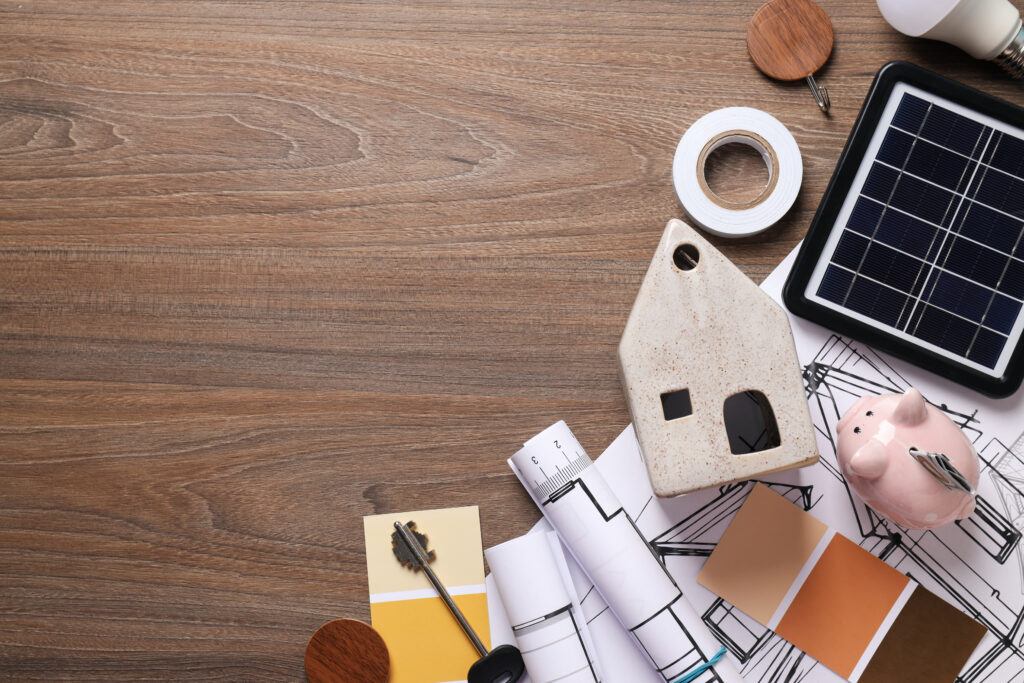
House Remodeling on a Budget: Smart Ways to Save and Upgrade
Affordable remodeling is all about planning wisely and focusing on changes that deliver maximum impact. Below are practical tips to help you remodel efficiently without unnecessary expenses.
Set a Realistic Budget
Start by defining a clear and practical budget that includes:
- Material costs
- Labor expenses
- Emergency/contingency funds
A well-planned budget helps you prioritize essential upgrades and avoid overspending during the project.
Plan Before You Start
Proper planning prevents costly mistakes and delays.
- Finalize your design early
- Choose materials in advance
- Align your plan with your budget
This ensures a smoother remodeling process and better cost control.
Focus on High-Impact Areas
Instead of renovating your entire home, focus on areas that add the most value:
- Kitchens
- Bathrooms
- Living rooms
Even small updates, such as new lighting, paint, or fixtures, can significantly enhance the look and feel of these spaces.
Refresh Instead of Replace
Replacing everything can be expensive. Instead, consider:
- Refinishing cabinets
- Repainting walls
- Restoring existing flooring
These upgrades give your home a fresh, modern look without the high cost of full replacements.
Choose Cost-Effective Materials
Affordable materials can still deliver a premium look.
Examples include:
- Laminate countertops instead of stone
- Vinyl flooring instead of hardwood
These options are durable, stylish, and budget-friendly.
Take on Simple DIY Tasks
You can reduce labor costs by handling small tasks yourself, such as:
- Painting
- Installing shelves
- Replacing hardware
Leave complex work like plumbing and electrical tasks to professionals for safety and quality.
Avoid Major Structural Changes
Moving walls, plumbing, or electrical systems can significantly increase costs.
Instead:
- Work within the existing layout
- Focus on cosmetic improvements
This approach keeps your remodeling project affordable and efficient.
Shop Smart and Compare Prices
Smart shopping can help you save a lot.
- Compare multiple suppliers
- Look for discounts and sales
- Buy clearance or overstock items
This ensures you get quality materials at lower prices.
Improve Energy Efficiency
Investing in energy-efficient upgrades can save money in the long term.
Consider:
- LED lighting
- Insulation upgrades
- Energy-efficient appliances
These improvements reduce utility bills and increase home comfort.
Remodel in Phases
Instead of doing everything at once, break your project into stages.
Benefits include:
- Better financial control
- Less stress
- Higher quality work
Start with the most important areas and complete others over time.
Conclusion
Budget-friendly house remodeling is all about smart planning, prioritization, and making informed choices. By focusing on high-impact upgrades, reusing existing elements, and avoiding unnecessary structural changes, you can achieve impressive results without overspending.
With the right strategy, you can enhance your home’s comfort, style, and long-term value, proving that a beautiful home doesn’t require a massive budget.
FAQs
1. What is the cheapest way to remodel a house?
The most affordable approach is focusing on cosmetic upgrades like painting, lighting, and minor fixture updates.
2. How can I reduce labor costs during remodeling?
You can save money by handling simple DIY tasks and avoiding major structural changes that require skilled labor.
3. Which rooms offer the best return on investment?
Kitchens and bathrooms typically provide the highest return with relatively moderate upgrades.
4. Is remodeling in phases a good idea?
Yes, phased remodeling helps manage costs, reduce stress, and maintain better control over your budget.
5. Are budget materials durable?
Yes, many modern materials like vinyl flooring and laminate are both affordable and long-lasting when chosen wisely.