Exterior Remodeling in San Jose, CA
Siding, windows and curb appeal, exterior remodeling in San Jose, CA starts with what’s actually failing versus what just looks dated.
Exterior Remodeling Services in San Jose, CA
A home’s exterior carries two separate jobs at once, keeping weather, moisture and pests out of the structure, and giving the house its first impression. The two don’t always fail together. Siding can look perfectly fine while moisture has already gotten in behind it, and windows can look dated for years before they actually start leaking air or letting in noise.
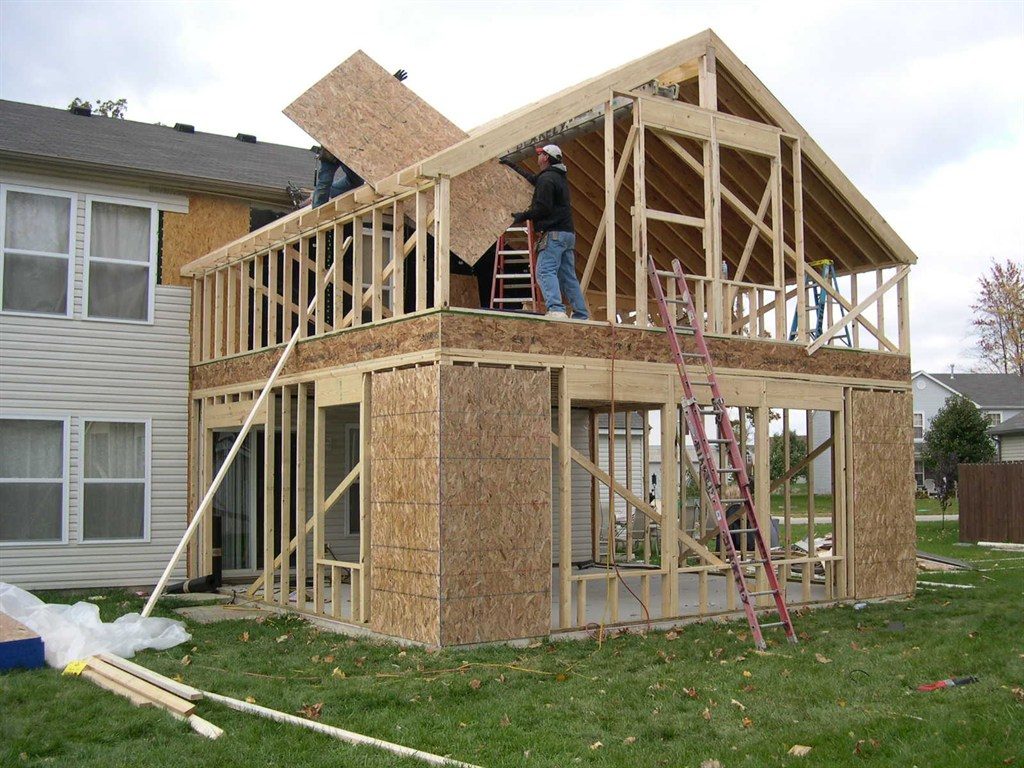
Exterior remodeling in San Jose, CA usually starts with sorting those two problems apart, since a cosmetic update and a protective repair call for very different scopes. Silicon Valley Remodeling works as your exterior remodeling contractor for both, whether the goal is curb appeal, addressing an actual problem with the building envelope, or both at once.
Get Free Quote!

Siding, What's Actually Protecting Your Home
Siding installation and siding replacement are usually the biggest piece of an exterior remodel, since siding covers the most square footage and does the most work keeping water away from the framing underneath. Fiber cement has become one of the most common replacement choices in this climate, since it resists moisture, holds paint well, and doesn’t warp the way some older wood siding does over time. Stucco remains common on homes throughout the South Bay, and when it’s cracking or showing water staining, that’s usually a sign moisture is getting behind it rather than a purely cosmetic issue.
Siding that’s failing rarely announces itself clearly from the street. Soft spots, discoloration near the base of walls, and peeling paint that keeps coming back in the same spots are usually the signs worth having checked before they turn into framing damage.
Windows and Doors
Window replacement affects more than how a house looks from outside. Older single-pane windows let in noise and outside temperature more than most homeowners realize until they’ve lived with updated ones. Frame condition matters as much as the glass itself, a window with a sound frame may only need new glass, while a window with a rotting or warped frame needs full replacement regardless of how good the glass still looks.
Entry doors and exterior doors tend to get replaced as part of the same project, since they’re installed into the same wall opening as a window and share the same weatherproofing concerns, flashing, sealant, and a frame that’s actually square.
Curb Appeal Without Ignoring What's Underneath
It’s tempting to treat exterior renovation as purely a styling decision, a new paint color, updated trim, a refreshed front entry. Those changes matter and they’re often the fastest way to change how a house reads from the street. But curb appeal work done without checking what’s underneath, old flashing, deteriorated sheathing, gutters that have been dumping water against the foundation, just delays a bigger repair rather than preventing one.
The homes that age best tend to be the ones where cosmetic updates and protective maintenance happen together rather than as separate, disconnected projects years apart.
Timing Exterior Work in San Jose, CA
Exterior projects are more weather-dependent than interior remodeling, so timing matters more here than on most other pages. Spring through fall generally offers the most reliable conditions for siding, roofing and exterior work, while winter months can still work between rain events, just with more schedule flexibility built in. Material lead times also affect timeline, siding and window orders often take longer to arrive than the installation itself takes to complete, so ordering early matters more than most homeowners expect going in.
Projects scheduled too close to the rainy season sometimes end up paused partway through, which is harder on a home than simply starting later with a tighter, uninterrupted window. Planning the start date around both material lead times and the season ahead avoids that kind of stop-and-start timeline.
Choosing an Exterior Remodeling Contractor
An exterior remodeling contractor should be able to tell the difference between a cosmetic issue and a moisture problem on sight, not just quote a price for new siding without checking what’s happening behind the old material first. Ask how they handle flashing and weatherproofing details around windows and doors specifically, since those transition points are where most exterior failures actually start, not in the middle of a wall or roof section.
A contractor who wants to inspect before quoting, rather than pricing from a photo or a phone call, is generally the one paying attention to the parts of the job that don’t show up in before-and-after photos.
Materials Worth Comparing Before You Decide
Fiber cement, stucco and wood each age differently in this climate, and the right choice often depends more on the home’s existing structure and style than on price alone. Fiber cement holds paint longer and resists moisture well, which is part of why it’s become the common replacement choice when older wood siding has reached the end of its life. Stucco suits homes where it’s already the dominant material on the block, matching an entire house to the surrounding architecture rather than standing out as an obvious patch job.
Whichever material fits your home, ask to see it in person rather than deciding from a sample chip or a photo. Color, texture and how it catches light all read differently at full scale on an actual wall than they do in a small swatch.
Start Your Exterior Project
Whether it’s a cosmetic refresh or addressing a real problem with your home’s exterior, the right scope starts with knowing which one you’re actually dealing with.
What Our Customers Say!
Silicon Valley Remodeling completely transformed our kitchen! The team was professional, on time, and delivered high-quality work. We’re thrilled with the results. Highly recommend!

Frequently Asked Questions
Isolated soft spots or localized damage can sometimes be repaired. Widespread moisture damage, warping across multiple sections, or siding that's reached the end of its material lifespan usually points to full replacement being more cost-effective than repeated patching.
Older single-pane or poorly sealed windows can account for a meaningful amount of a home's heat loss and noise transfer. Whether it's worth prioritizing depends on the current window condition and how long you plan to stay in the home.
Spring through fall offers the most consistent weather for siding, roofing and window work. Winter projects are still possible but need more schedule flexibility around rain.
Straightforward like-for-like replacement often doesn't require a permit, but changes to window size, structural work, or siding type changes can trigger permit requirements. It's worth confirming before work starts rather than assuming.
Often, yes, and doing so can reduce total disruption compared to scheduling each as a separate project months apart, since scaffolding, material staging and site access only need to happen once.