
Home renovation is a strategic process that goes beyond aesthetics, combining functionality, efficiency, and long-term value for homeowners. A well-planned home renovation can transform outdated spaces into modern, comfortable, and environmentally conscious living areas.
Whether updating kitchens, bathrooms, flooring, or roofing, integrating energy-efficient systems, sustainable materials, and smart water solutions is essential. For instance, replacing traditional windows with double- or triple-glazed units can reduce heating and cooling costs by 10–25%, while upgrading to LED lighting can cut electricity usage by up to 75%.
Using recycled materials, low-VOC paints, and eco-friendly flooring improves indoor air quality while also promoting environmental sustainability. Additionally, homeowners can maximize space, enhance the layout of their homes, and increase the value of their properties through home renovation projects; research indicates that significant renovations can raise a property’s resale value by five to fifteen percent.
Partnering with experienced remodeling professionals ensures that every aspect of a home renovation—from design and material selection to execution—is aligned with your lifestyle, budget, and long-term goals, creating a space that is stylish, sustainable, and highly functional.
1. Energy-Efficient Windows & Doors
Upgrading to double- or triple-glazed, insulated windows and doors reduces energy loss in San Jose, CA, improves comfort, and increases home efficiency.
Benefits:
- Reduces heating/cooling bills by 10–25%
- Improves indoor comfort and eliminates drafts
- Increases property value and curb appeal
Materials & Tips:
- Low-emissivity (Low-E) glass
- Vinyl or thermally broken aluminum frames
- Proper sealing to prevent air leakage
2. Solar Panel Installation
Solar panels allow homes to generate renewable energy, reducing dependence on fossil fuels and long-term electricity costs.
Metrics & Benefits:
- Covers 50–80% of household electricity needs
- Saves $600–$1,200 per year on energy bills
- Reduces ~3–4 tons of CO₂ annually per home
Installation Tips:
- Orient panels south for maximum efficiency
- Combine with home battery storage for off-grid capabilities
- Explore federal or state solar incentives for cost savings
3. Sustainable Flooring
Eco-friendly flooring options reduce environmental impact and improve indoor air quality.
| Material | Lifespan | Environmental Impact | Cost per sq. ft. | Maintenance |
| Bamboo | 25–50 yrs | Rapidly renewable | $3–$8 | Low |
| Cork | 20–40 yrs | Biodegradable, low VOC | $4–$9 | Low |
| Reclaimed Wood | 30–60 yrs | Reuses materials | $5–$12 | Medium |
Benefits:
- Durable, stylish, and low-maintenance
- Reduces the use of virgin timber
- Adds unique aesthetic appeal
Tips: Combine with low-VOC finishes to maintain air quality
4. Rainwater Harvesting
Collecting and reusing rainwater reduces municipal water dependence and utility bills.
Metrics:
- Reduces household water usage by 30–50%
- Saves $100–$300 annually on irrigation
- Minimizes stormwater runoff and soil erosion
Best Practices:
- Install rain barrels or cisterns for storage
- Use drip irrigation for landscaping
- Filter water for household use where applicable
5. Eco-Friendly Insulation
Insulating with recycled or natural materials improves energy efficiency and indoor comfort.
| Material | R-Value | Environmental Impact | Cost per sq. ft. |
| Recycled Denim | 3.5–4.0 | Post-consumer materials | $1.50–$3 |
| Cellulose | 3.2–3.8 | Recycled paper | $0.80–$2 |
| Sheep Wool | 3.5–4.0 | Renewable, biodegradable | $2.50–$4 |
Impact:
- Reduces heating/cooling costs by 10–20%
- Stabilizes indoor temperature year-round
- Enhances the sustainability of the home
6. LED Lighting Upgrade
Switching to LED lighting reduces energy consumption and maintenance costs.
Metrics & Benefits:
- Up to 75% less electricity usage
- Lasts 15–25 years per bulb
- Reduces greenhouse gas emissions
Tips:
- Install motion sensors or timers
- Use dimmers to further reduce energy usage
- Combine with daylighting strategies for optimal results
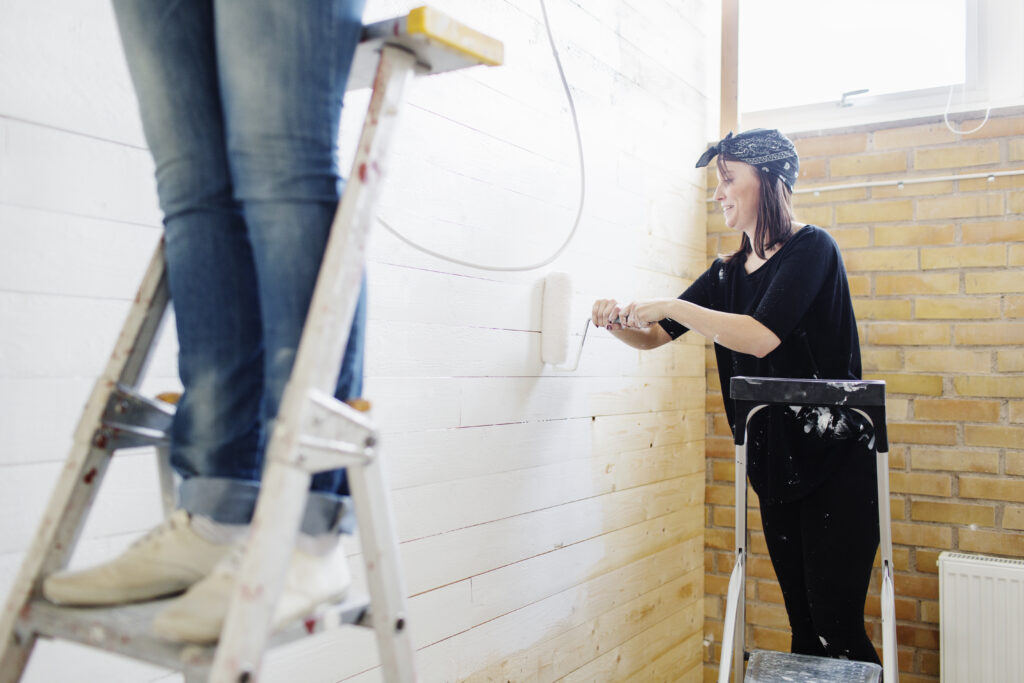
7. Low-VOC Paints & Finishes
Low-VOC and non-toxic paints improve indoor air quality while being environmentally responsible.
| Finish Type | VOC Content | Durability | Cost per gallon |
| Low-VOC | <50 g/L | Medium | $30–$60 |
| Zero-VOC | 0 g/L | Medium | $40–$70 |
| Natural/Clay | 0–10 g/L | Low-Medium | $50–$90 |
Benefits:
- Safer indoor environment
- Reduces chemical exposure
- Supports sustainable living
8. Green Roofing Solutions
Green roofs, or reflective “cool roofs,” reduce energy consumption and manage stormwater.
Metrics & Benefits:
- 10–30% savings on cooling costs
- Supports biodiversity and vegetation growth
- Reduces the urban heat island effect
Tips:
- Combine with solar panels for maximum efficiency
- Plant native vegetation for lower maintenance
9. Upcycled & Reused Materials
Repurposing old furniture, wood, or metal reduces landfill waste and adds unique design elements.
Benefits:
- Reduces raw material extraction
- Lowers renovation costs
- Adds creativity and individuality to interiors
Tips:
- Sand and seal reclaimed wood for durability
- Combine old and new materials for a modern, eco-friendly aesthetic
Conclusion
Adopting eco-friendly and sustainable home renovation strategies is a proven way to enhance comfort, reduce environmental impact, and save money. With energy-efficient windows, solar panels, sustainable flooring, green insulation, LED lighting, low-VOC paints, rainwater harvesting, green roofs, and upcycled materials, homeowners can cut utility bills by 10–50%, reduce greenhouse gas emissions, and create healthier indoor environments.
Each upgrade contributes to long-term home value and global sustainability efforts. Partnering with Silicon Valley Remodeling ensures that your renovations are professionally executed, energy-efficient, and environmentally responsible, maximizing both savings and quality of life. Embrace a greener home today—your family, wallet, and the planet will benefit for decades.
FAQs
1. What is eco-friendly home renovation?
Eco-friendly home renovation involves upgrading a house using sustainable materials, energy-efficient systems, and water-saving technologies to reduce environmental impact, lower utility bills, and create healthier indoor spaces.
2. How much can I save with energy-efficient home renovations?
Homeowners can reduce heating and cooling costs by 10–25% with energy-efficient windows, cut electricity usage up to 75% with LED lighting, and save 30–50% on water by installing rainwater harvesting systems.
3. Which flooring materials are most sustainable for home renovation?
The most eco-friendly flooring options include bamboo, cork, and reclaimed wood, as they are renewable, biodegradable, or repurposed, and help improve indoor air quality while reducing environmental impact.
4. Are solar panels worth installing during a home renovation?
Yes. Solar panels provide renewable energy, reduce reliance on fossil fuels, cover 50–80% of household electricity needs, and can save homeowners $600–$1,200 annually on energy bills.
5. How can I make my home renovation more sustainable?
To make renovations sustainable, choose low-VOC paints, recycled or reclaimed materials, eco-friendly insulation, energy-efficient windows and doors, and green roofing solutions to maximize comfort, reduce utility costs, and lower your carbon footprint.