
If your home no longer accommodates your growing family or you simply need extra space for hobbies or a home office, a professional room addition service is a smart solution. The cost of adding a new room varies widely, depending on location, type of addition, size, materials, and soil condition. The average home addition cost ranges from $40,000–$50,000, but final costs can be significantly higher if you opt for luxury finishes or a larger design.
This guide provides a detailed breakdown of room addition costs in 2026, including contractor fees, permits, labor, and extra expenses you should anticipate. By the end, you’ll have a clear understanding of how to budget your home expansion project effectively.
Why Consider a Room Addition?
Before diving into costs, it’s important to understand the benefits of adding a room to your home:
- Increase living space without moving.
- Boost property value—home additions often increase resale value.
- Customize your space for hobbies, office work, or growing family needs.
- Avoid moving costs associated with buying a new home.
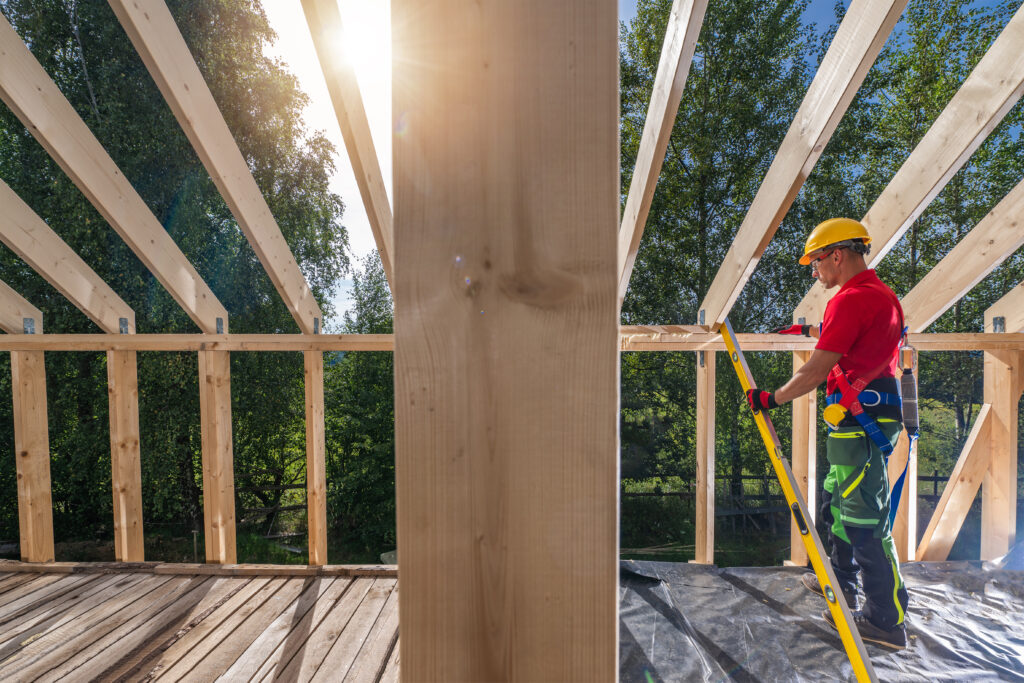
A well-planned home addition can also improve your quality of life by giving you the space you need while keeping your current neighborhood and schools.
Home Additions & Budget Overview for 2026
While buying a new house may seem like a solution, home extensions are usually more cost-effective. However, you’ll need to account for several key expenses:
- Permits and inspections
- Contractor and labor fees
- Architect or designer fees
- Materials and construction costs
The total cost depends heavily on the type of room addition and its size. Below is a detailed breakdown of typical additions and their costs in 2026.
1. Room Addition Types and Average Costs
Different types of room additions vary significantly in cost. Here’s an updated estimate for 2026:
- Bedroom Addition: $18,000–36,000
- Bathroom Addition: $22,000+
- Kitchen Expansion: $35,000–95,000
- Family Room: $50,000–100,000
- Master Suite: $45,000–135,000
- Garage Conversion: $6,000–27,000
- Bump-Out: $4,000–30,000
- Second Story: $100,000–300,000+
Tip: A bump-out is one of the most cost-effective ways to add square footage without a major foundation overhaul, while a second-story addition is the most expensive due to structural requirements.
2. Contractor & Labor Costs
Labor is a major component of any home addition project, often making up 40–60% of the home Addition total budget. Costs vary based on:
- Contractor experience
- Local labor rates
- Project complexity
Example: For a $50,000 room addition, labor costs could range from $20,000–$30,000. Hiring experienced professionals ensures quality work and minimizes mistakes that could increase costs later.
3. Architect Fees
Hiring an architect or designer is critical for planning your room addition layout, ensuring structural integrity, and complying with local codes. Fees typically range from $2,000–$4,800, depending on:
- Project size
- Design complexity
- Geographic location
Professional guidance can prevent costly errors, such as misaligned plumbing or electrical setups.
4. Building Permits
Most room additions require local building permits to ensure safety and compliance with zoning laws. Permit costs can range from $150 to $7,000+, depending on:
- City regulations
- Size and complexity of the addition
- Whether structural changes are involved
Skipping permits is risky, your project may be fined, delayed, or even demolished if not approved.
5. Land Survey
Before construction, a land survey may be required to assess soil stability, moisture levels, and topography. Costs usually range from $400–$1,800.
Why it matters: Unstable soil or improper grading can cause foundation problems or flooding, leading to additional expenses down the line.
6. Foundation Installation
Foundation costs depend on soil conditions and room size. On average, expect $5–$37 per square foot. A strong foundation is critical for:
- Structural safety
- Longevity of the addition
- Preventing future repairs
Concrete slabs, crawlspaces, or full basements all have different costs, so discuss options with your contractor.
7. Roof Addition Costs
Roof construction for your new room varies based on:
- Material: asphalt shingles (most affordable), metal or slate (premium)
- Height and slope
- Labor rates
Average roof costs: $80–$100 per square foot. A durable roof protects your home and reduces long-term maintenance expenses.
8. Drywall Installation
Drywall creates the interior walls of your addition. Costs range from $1–$3 per square foot, depending on type and labor. Don’t forget to budget for:
- Insulation behind drywall
- Finishing (taping, mudding, sanding)
- Painting or texture
9. Electrical Work
Electrical wiring ensures lights, outlets, and appliances function safely. Costs average $2–$4 per square foot, depending on:
- Number of outlets and fixtures
- Smart home features
- Wiring complexity
Always hire a licensed electrician to prevent hazards and comply with code.
10. HVAC System
Adding heating, ventilation, and air conditioning to your new space is essential. Budget $1,150+ for ductwork, installation, and equipment. Efficient HVAC ensures:
- Comfortable temperatures year-round
- Energy savings
- Compliance with local building codes
11. Final Inspections
After construction, local officials inspect your addition to ensure safety and code compliance. Each inspection typically costs $200–$300. Passing inspections prevents fines and protects your home investment.
12. Additional Tips to Reduce Costs
- Plan your addition in phases to spread expenses over time.
- Compare multiple contractor bids for the best price-quality balance.
- Choose cost-effective materials for flooring, roofing, and fixtures.
- Consider DIY options for minor work (painting, landscaping).
Remember: Cutting costs in structural areas can be dangerous—always prioritize safety and compliance.
Conclusion
A room addition is one of the best ways to expand your living space, improve functionality, and increase your property’s value. While average costs range from $200–$500 per square foot, the final price depends on location, type of addition, contractor, and material choices.
Proper planning, budgeting, and hiring reputable professionals ensure a successful project and long-term satisfaction. Use this guide to make informed decisions and avoid common pitfalls in 2026.
FAQs
Q1: How long does a home addition take?
Depending on size and complexity, projects usually take 2–12 months, including design, permits, and construction.
Q2: Which home additions offer the highest ROI?
Loft conversions and second-story additions typically provide the best returns on investment.
Q3: How do I choose the right team for my project?
Look for experienced local contractors with strong reviews, transparent pricing, and proven expertise in home additions.
Q4: Can I save money by doing part of the work myself?
Yes, tasks like painting, landscaping, or minor finishing work can reduce costs, but always leave structural, electrical, and plumbing work to professionals.